When Long-Term Investing Becomes Compounding Fatigue
Educational content notice: This article is for general financial education purposes only and does not constitute…


Educational content notice: This article is for general financial education purposes only and does not constitute…
This article is for educational purposes only and does not constitute individual financial, tax, or…

Compliance Disclaimer This content is for educational purposes only and does not constitute legal, tax,…

Parkinson’s Law is silently wrecking your finances. Discover how this mindset trap causes high earners to overspend and learn 3 powerful strategies to save more, build wealth, and stay financially disciplined.

Can a business that makes good money still be losing value? This is a question…
Get ahead of tax season! Discover what’s new for 2024—from increased CPP contributions and Home Buyers’ Plan changes to key deductions and credits. Maximize your refund and avoid costly mistakes.
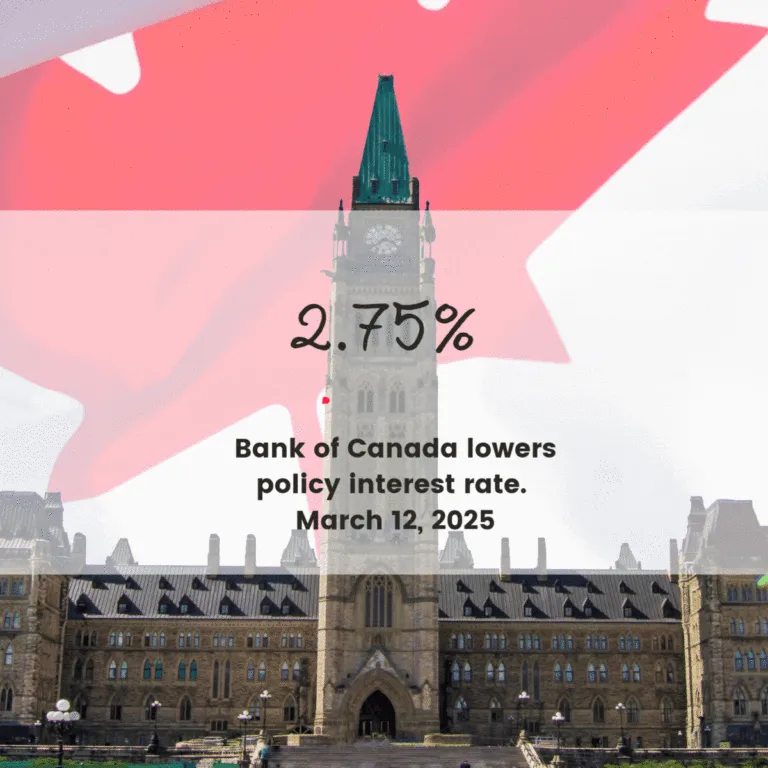
The Bank of Canada has cut interest rates to 2.75%, reflecting ongoing economic challenges and trade uncertainties.
Market volatility is normal, but staying disciplined and diversified helps manage risk over the long term.
If you have questions or concerns, please reach out—we’re here to help.
#BankOfCanada #InterestRates #MarketVolatility #FinancialWellbeing
Stay updated on 2024-2025 Canadian corporate tax rates for CCPCs. Small business rates start at 9%, active business varies, and investment income is 38.7%.
2025 Canada Money Facts – Get the latest TFSA, RRSP, FHSA, CPP, OAS, and RESP limits. Stay informed on savings, pensions, and benefits for the year ahead!
The US–Canada trade war is hitting home, raising prices on everyday goods and shaking the economy. With tariffs on both sides, what does this mean for your wallet? Learn how trade policies impact your cost of living, investments, and financial future.